Cardless Hotel Rooms: Why the Right Sensor and Layout Matter
Guest Room · Cardless Room Sensor Design
Cardless hotel rooms need the right occupancy sensor. A motion sensor can turn the room off while the guest is still inside. Here is how to choose and place sensors.
Published
The Question
More hotels are moving to cardless hotel rooms. Guests do not need to insert a key card to turn on the room power. It is convenient and improves the guest experience.
But we recently saw a project where the wrong sensor caused problems.
The Problem
The hotel used motion sensors for room occupancy detection. At first, it seemed like a simple solution.
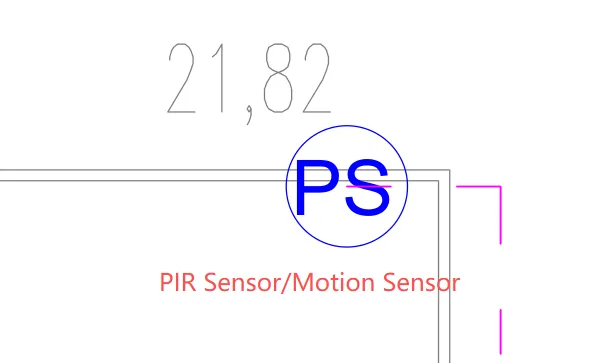
But a hotel room is not an office. Guests may sleep, sit on the sofa, read, or watch TV without moving for a long time.
A motion sensor only detects movement. So when there is no movement for a period of time, the system may think:
“The guest has left.”
This can cause the lights, air conditioning, or other room functions to turn off unexpectedly.
Some projects try to solve this by adding a time delay, such as 30 minutes without motion. But a longer delay does not solve the basic problem. The sensor is still looking for movement, not presence.
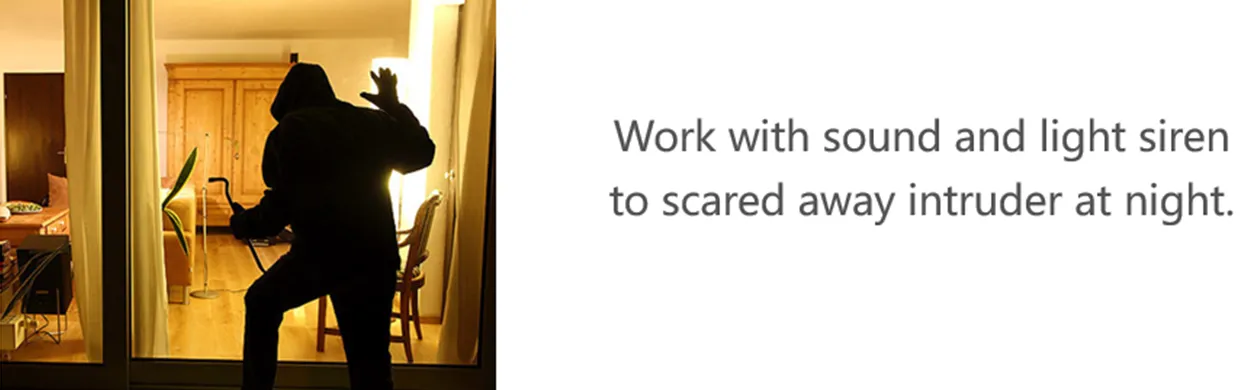
So, What Sensor Should You Use?
For the main room area, we recommend a presence sensor using microwave radar technology.
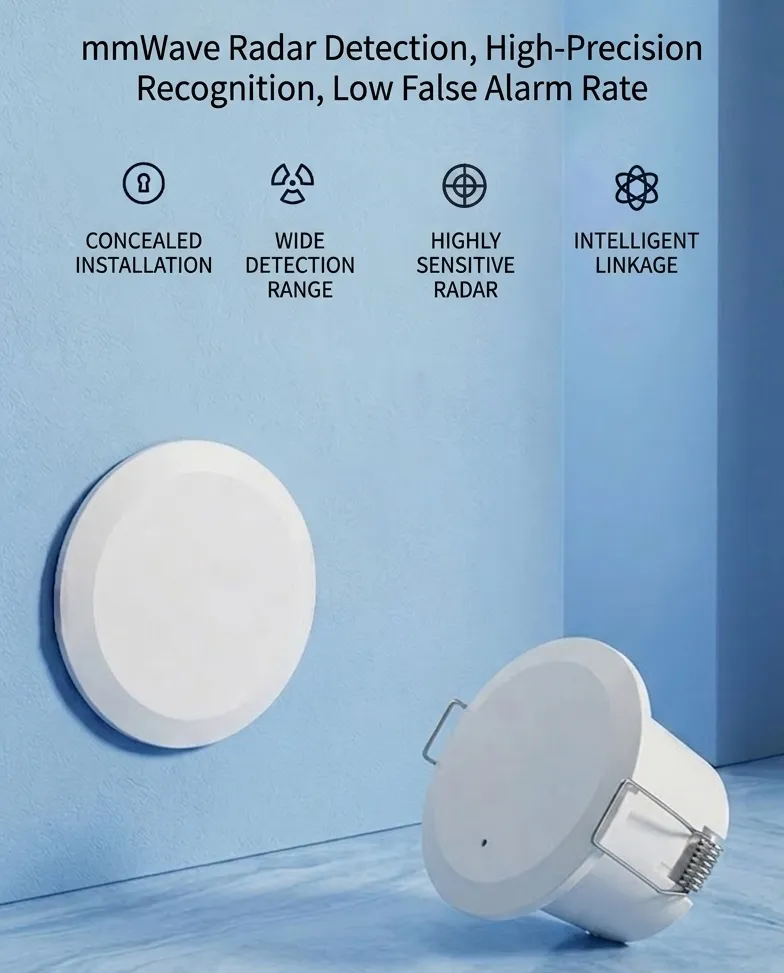
It can detect a person even when there is very little movement. You can also adjust parameters such as:
- Detection sensitivity
- Detection distance
- Detection area
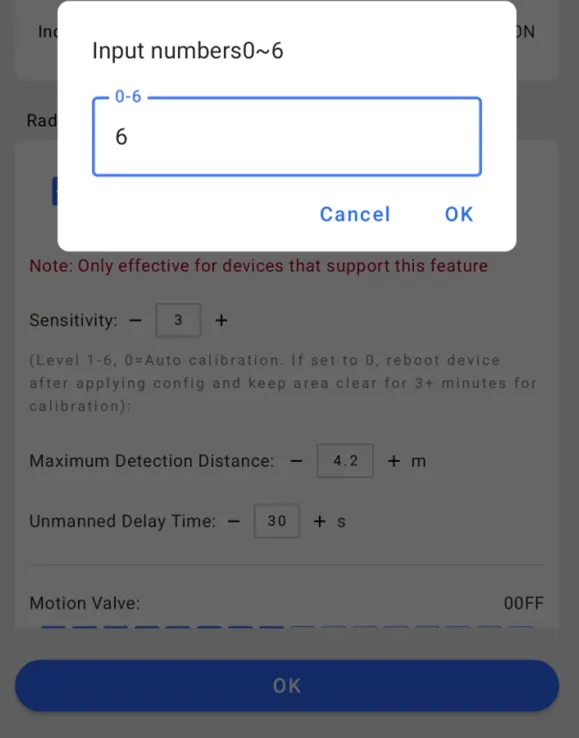
This makes it much more suitable for hotel rooms.
But Don’t Use Presence Sensors Everywhere
This is also important. At the room entrance, a motion sensor can actually be a better choice. When a guest enters the room, there is normally clear movement. So a simple motion sensor can quickly detect the guest and trigger the welcome scene or entrance lighting.
A better layout could be:
- Room Entrance → Motion Sensor
- Main Room / Bed / Sofa Area → Presence Sensor
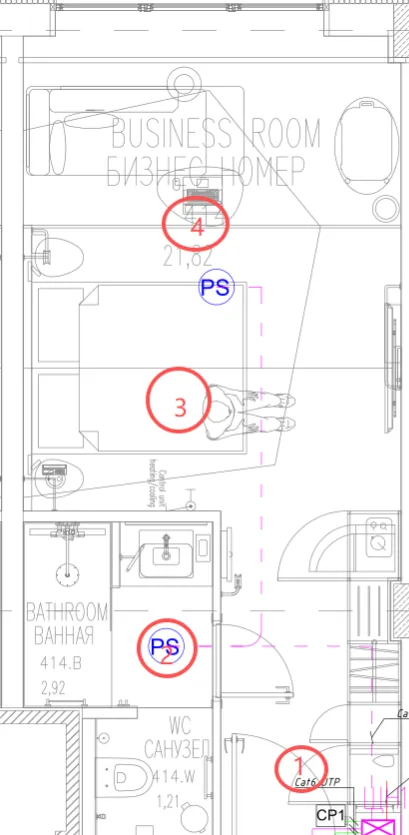
The sensor should also be positioned according to the actual room layout, furniture, bed position, and required detection area.
The goal is not to use the most expensive sensor everywhere. The goal is to use the right sensor in the right place.
The Result
Cardless hotel rooms are designed to improve the guest experience. But if the wrong sensor causes the room to turn off while the guest is still inside, the system becomes frustrating instead of smart.
Good smart hotel design is not just about automation. It is about choosing the right technology and designing the right layout.
If you are planning a cardless hotel room project, make sure the sensor selection and layout are considered together.