How We Work with Smart Home & Hotel System Integrators
Partnership · System Integrators
Before we discuss products, you may find our cooperation process helpful. Every project is different, so we start by understanding your platform and technical requirements.
Published
How We Work with Smart Home & Hotel System Integrators
Before we discuss products, you may find our cooperation process helpful. Every project is different, so we start by understanding your platform and technical requirements before recommending products or preparing quotations.
Step 1 – Understand Your Platform
Every successful project starts with understanding your existing system.
Typical questions include:
- What does your software architecture look like?
- Which communication protocols do you use?
- Do you use your own gateway or a third-party gateway?
- Is your system cloud-based, local, or hybrid?
- How do you integrate third-party devices (MQTT, API, RS485, KNX, Modbus, TCP, UDP, etc.)?
This helps us determine the most suitable integration approach before discussing products.
Step 2 – Check Compatibility
Once we understand your platform, we evaluate compatibility between both systems.
Typical items include:
- Communication protocols
- MQTT integration
- Gateway architecture
- Local control capability
- API availability
- Device commissioning method
- Firmware compatibility
If there is a technical limitation, we will discuss it openly before moving forward. We believe long-term cooperation starts with technical transparency.
Step 3 – Select Products for Evaluation
Our product catalog contains hundreds of SKUs. For a first project, testing every product is unnecessary.
Instead, we recommend starting with the key devices required for your platform integration, such as:
- 4-Gang Smart Switch
- Presence Sensor
- Curtain Controller
- Smart Gateway
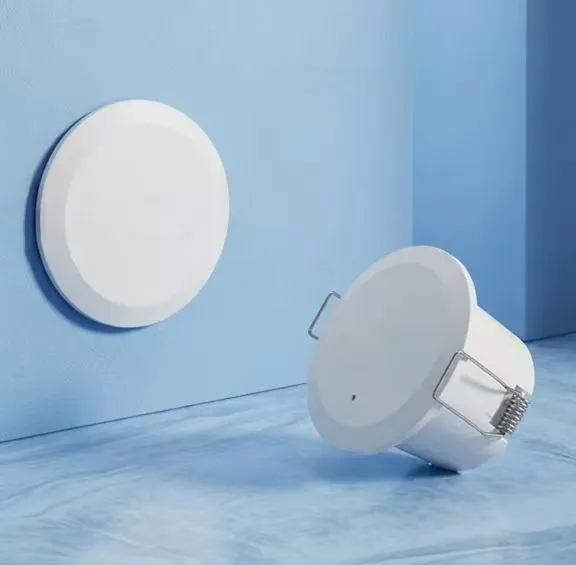
A smaller evaluation package allows both teams to complete integration more quickly and efficiently.
Step 4 – Sample Evaluation
Before mass production, we recommend a sample evaluation batch.
Typical evaluation items include:
- Build quality
- Firmware performance
- Response speed
- Communication stability
- Platform integration
- Installation experience
This stage helps identify any technical adjustments before volume production.
Step 5 – OEM & White-Label Services
We support a variety of OEM and branding options.
Logo Customization
- Laser engraving: MOQ starts from 1 piece
- Silk-screen printing: MOQ starts from 500 pieces
Packaging
Custom English packaging is available.
Standard printing MOQ is 1,000 pieces per product. For smaller quantities, we can discuss additional setup and packaging costs.
User Manuals
English manuals and branded documentation can also be customized following the same packaging requirements.
Firmware Customization
Basic firmware modifications are available when technically feasible.
For example, one residential project required the gateway’s Wi-Fi function to be disabled while keeping only the LAN Ethernet connection. We completed this customization before production.
Step 6 – Mass Production & Long-Term Support
After successful sample approval, we move into mass production.
Our support includes:
- Stable production management
- OTA firmware updates (where applicable)
- Technical support
- After-sales assistance
- Long-term cooperation for future projects
Our Goal
We don’t simply supply hardware.
Our goal is to become a long-term technology partner by providing reliable products, practical integration support, and transparent communication throughout every stage of your project.